
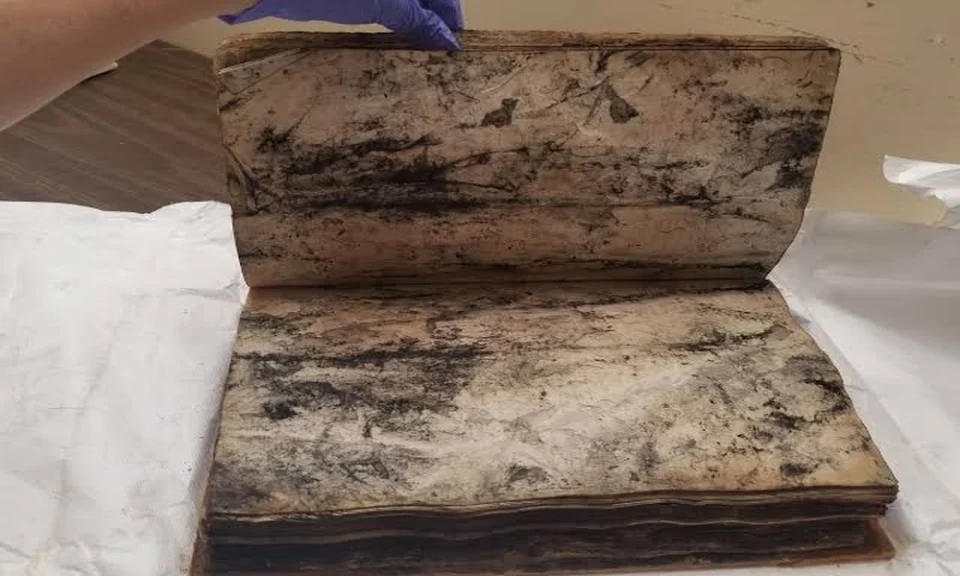
Two contractors walk the same musty basement on the same afternoon. One quotes a few hundred dollars to spray the stained drywall and run a fogger through the room. The other quotes several thousand and talks about plastic sheeting, an air scrubber, moisture readings and a lab. Both call their offer mold removal, and in New Jersey nothing stops either of them from using those words.
Firms such as NJ Mold Pros, a family run company working out of Manasquan for close to two decades across Monmouth and Ocean counties, build their mold work around a published industry standard and pair it with waterproofing and crawl space fixes so the moisture behind the growth gets handled too. The gap between those two quotes is the real subject here. It shows most clearly in what each job hands you when the crew drives away.
New Jersey has no licensing program for mold inspectors or remediators. Bills proposing state certification have been introduced in Trenton again and again for well over a decade, and none has made it into law. So the trade mostly polices itself through voluntary training and the IICRC S520 standard for professional mold remediation. Without a license number to look up, the documents a contractor produces become your best evidence that the work was done properly.
Notes Written Before Anyone Touches a Wall
The first document is the inspection record, and it should exist before any test is run or any drywall comes down.
A careful inspector measures before guessing. Expect moisture meter readings on walls, floors and framing, relative humidity readings room by room, and an outdoor reading for comparison. There should be questions too, like when the sump last failed or whether water came in during a storm.
The notes should also cover the places mold likes to hide. Think behind the washing machine, under kitchen and bathroom sinks, along basement sill plates, on crawl space joists and on attic sheathing near a bath fan that dumps steam into the attic instead of outside. An inspection that ends with “looks like mold” and a price is not an inspection.
Lab Numbers Only Count With Context
Testing is useful when it answers a real question, such as whether a dark patch is mold or whether growth hides behind a clean looking wall.
Air samples mean very little on their own. A proper set includes an outdoor control sample, because outdoor air always carries spores and the indoor result is judged against it. Certain species, like Stachybotrys or Chaetomium, tend to signal materials that stayed wet for a long time, so finding them indoors but not outside tells a story. Tape lifts and swabs confirm what a visible stain actually is.
The report should name the lab, show a chain of custody form, and list results by sample location. Store bought petri dish kits catch spores in every home on earth, so they almost always grow something and prove very little. When growth is plainly visible and widespread, that money often does more good spent finding the water.
A Scope of Work You Can Hold Someone To
The scope is the contract in plain language. It turns “we’ll take care of it” into specific promises, and a solid one usually spells out the following.
- The affected areas room by room, with rough square footage for each
- The type of containment, from a sealed doorway for a small area to full plastic enclosures with zippered entry for larger ones
- Negative air machines with HEPA filters, where they exhaust, and how long they run
- Which materials get removed, such as drywall, carpet pad and insulation, and how high the drywall cut goes
- Which materials get cleaned in place, such as framing and subfloor, using HEPA vacuuming, damp wiping and sanding where stains sit in wood
- How furniture, boxes and other contents are handled
- Who fixes the water source and when that happens
Pay attention to what sits at the center of the plan. If the main event is a biocide fog or a coat of mold resistant paint, be cautious. The S520 treats cleaners, antimicrobials and coatings as supporting tools, not a substitute for physically removing growth. Paint over live mold simply hides it until it bleeds through.
The scope may also use the standard’s condition language. Condition 1 describes normal fungal ecology, the background level every home has. Condition 2 means settled spores from a nearby source. Condition 3 means actual growth. A real job aims to bring the area back to Condition 1, not to make a house sterile.
The Line Item That Names the Water
Mold is a moisture problem wearing a different coat. If the paperwork never names the source of the water, the growth is coming back.
Along the Shore, the sources tend to repeat. Sandy soil and high water tables push groundwater against basement walls after heavy rain. Homes raised after major storms often sit over crawl spaces that pull in humid summer air, which condenses on cooler joists and ductwork. Seasonal houses get closed up and stay damp for weeks, and gutters spill right beside the foundation.
The fix might be regrading, extended downspouts, an interior drain and sump, a sealed crawl space with a vapor barrier, a dedicated dehumidifier, or a properly ducted fan. Indoor humidity kept below about 60 percent, and ideally lower, makes regrowth far less likely.
Proof That the Room Passed
Before the plastic comes down, someone should confirm the work actually succeeded. This step is called post remediation verification, and it deserves its own report.
At minimum, it records a visual check showing no visible growth and no leftover dust, plus moisture readings proving the materials are dry. It may include fresh air samples showing indoor conditions now resemble the outdoor control. The most convincing version comes from an independent assessor rather than the crew that did the cleanup, since grading your own homework is never ideal. A dated clearance letter with results is what separates “we finished” from “it passed.”
The Folder Worth Keeping for the Next Owner
The last document is the warranty, and its fine print matters. Read what it covers, how long it lasts, and what voids it. Many depend on humidity staying controlled and no new water event.
Then keep everything together, from the inspection notes and lab reports to the photos, clearance results and invoices. Insurers ask for these after a claim, and buyers ask too, since seller disclosure forms commonly raise questions about past mold and water trouble. A documented, cleared job makes that conversation short and calm.
Go back to those two quotes in the musty basement. The cheaper one may well make the stain disappear for a season. The other one leaves you holding proof of what was found, what was removed, where the water came from and how the room tested afterward. In a state that does not check credentials for you, that folder is the closest thing to a guarantee most homeowners will ever get.
