
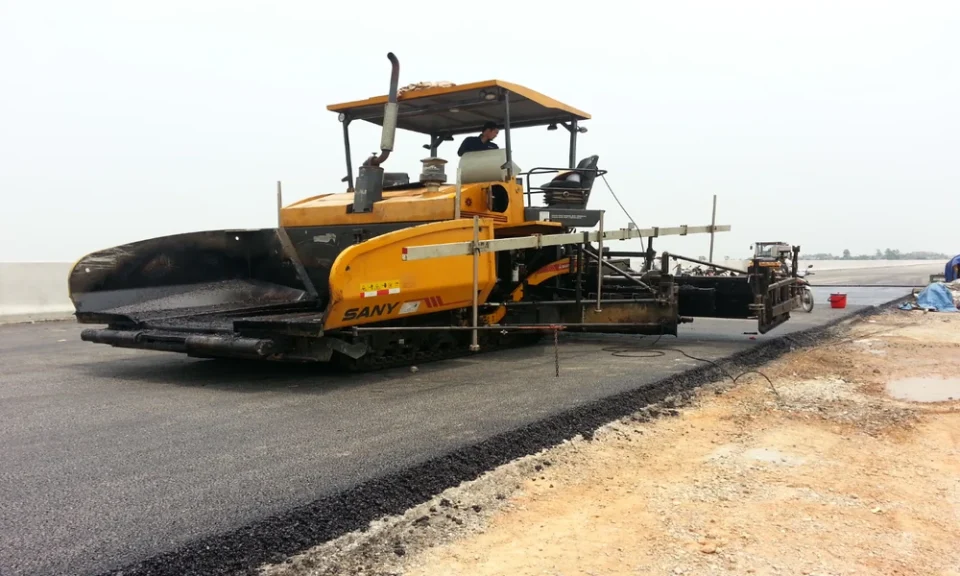
A residential asphalt driveway receives plenty of use throughout the year. Homeowners drive across it every day, park vehicles on it, and rely on it to provide safe and convenient access to their homes. Over time, exposure to sunlight, moisture, temperature changes, snow, and regular vehicle traffic can cause asphalt to deteriorate.
Small cracks can eventually become larger openings, while neglected potholes and drainage problems may lead to more extensive pavement damage. Fortunately, homeowners do not always need to replace an entire driveway when problems appear. Professional asphalt contractors can inspect the pavement, identify the cause of damage, and recommend appropriate repair and maintenance solutions.
When researching Utah asphalt companies, homeowners should understand how professional contractors approach asphalt repair and maintenance. Knowing what to expect can make it easier to recognize quality service and choose an appropriate contractor for a residential property.
Starting With a Professional Inspection
The repair process typically begins with an inspection. Before recommending a particular service, an experienced asphalt contractor should examine the driveway and determine the extent of the damage.
Contractors may look for cracks, potholes, surface deterioration, uneven sections, drainage problems, damaged edges, and signs of structural failure. They may also consider the condition of the underlying base.
This assessment is important because visible damage does not always reveal the underlying cause. For example, repeated cracking in one area could be related to drainage or foundation problems rather than simply normal surface wear.
A professional inspection allows homeowners to receive recommendations based on the actual condition of their pavement.
Identifying Different Types of Asphalt Damage
Not every crack or damaged area should be repaired in the same way. Asphalt contractors evaluate the type, size, location, and severity of pavement damage before choosing a repair method.
Common residential asphalt problems include:
- Small surface cracks
- Larger interconnected cracks
- Potholes
- Crumbling pavement
- Uneven or sunken sections
- Water pooling
- Damaged driveway edges
- Faded or weathered surfaces
Understanding the difference between minor and major problems helps contractors determine whether a simple repair is sufficient or whether more extensive work is necessary.
Repairing Cracks Before They Spread
Cracks are among the most common asphalt driveway problems. They can develop as pavement ages or as a result of weather, moisture, ground movement, and other factors.
Professional contractors can repair appropriate cracks using methods suited to their size and condition. The objective is to prevent water and debris from entering the pavement and contributing to further deterioration.
Homeowners should not automatically assume that every crack requires driveway replacement. In many situations, timely crack repair can help preserve otherwise sound pavement.
When comparing Utah asphalt companies, homeowners should ask contractors how they assess cracks and what repair methods they recommend.
Addressing Potholes
Potholes can develop when pavement becomes weakened and moisture contributes to deterioration beneath the surface. Once a pothole appears, it can become larger if it is ignored.
Professional asphalt contractors can examine the pothole and determine the appropriate repair approach. Depending on the severity, the damaged section may need to be removed before new asphalt material is installed and compacted.
A proper repair should address the damaged area rather than simply covering the visible hole. This can help reduce the chance of the same problem returning quickly.
Repairing Damaged Sections
Sometimes asphalt damage is more extensive than an isolated crack or pothole. Sections of a driveway may become badly deteriorated due to drainage problems, unstable underlying material, or long-term wear.
In these situations, contractors may recommend localized asphalt patching or removal and replacement of affected sections.
The appropriate solution depends on the condition of both the surface and the supporting layers. A professional evaluation can help homeowners determine whether localized repairs are sufficient.
Managing Drainage Issues
Water is a major concern when it comes to asphalt maintenance. If water repeatedly collects on the driveway, it can contribute to pavement deterioration and potentially affect the foundation underneath.
Experienced asphalt contractors evaluate drainage as part of the repair process. They may inspect the driveway’s slope and identify areas where water is not draining properly.
If drainage is the underlying cause of recurring pavement damage, simply repairing the asphalt may not provide a long-term solution. Addressing the water-management problem can be an important part of effective pavement maintenance.
Considering Resurfacing
When the underlying pavement remains structurally sound but the surface has become worn, resurfacing may be an option.
Resurfacing involves preparing the existing pavement and applying a new asphalt layer. It can improve the appearance of an aging driveway and address certain surface-level problems.
However, resurfacing is not appropriate for every situation. If the driveway has severe structural damage or significant base failure, more extensive reconstruction may be necessary.
A qualified contractor should explain why resurfacing is or is not suitable for the specific property.
Sealcoating for Preventive Maintenance
Sealcoating may also be recommended as part of a residential asphalt maintenance plan. This treatment adds a protective layer to the pavement surface and can help maintain its appearance.
Sealcoating should generally be considered as preventive maintenance rather than a replacement for necessary structural repairs. Significant cracks, potholes, and damaged sections should be addressed appropriately before protective treatments are applied.
Homeowners should ask their contractor when sealcoating is appropriate and how it fits into the overall maintenance plan.
Utah Weather and Asphalt Maintenance
Utah’s changing weather conditions can place considerable stress on residential pavement. Hot summer temperatures, cold winters, snow, moisture, and temperature fluctuations can all affect asphalt over time.
Local experience can therefore be valuable when planning repair and maintenance work. Contractors familiar with Utah properties can consider local weather patterns and common pavement challenges when evaluating a driveway.
Homeowners should discuss seasonal maintenance with their contractor and ask how weather conditions may influence repair schedules.
Preventive Maintenance Saves Time and Money
One of the main benefits of routine maintenance is that it allows homeowners to address small problems before they become major ones.
A small crack may be relatively simple to repair, while widespread cracking and structural deterioration can eventually require more expensive work. Regular inspections can help identify these problems early.
Homeowners can also help maintain their driveways by keeping the surface clean, monitoring drainage, and addressing visible damage promptly.
Professional maintenance should complement these basic homeowner efforts.
Choosing an Experienced Asphalt Contractor
The quality of repair work depends significantly on the contractor performing it. Homeowners should research contractors carefully and consider their residential experience, reputation, communication, and range of services.
When comparing Utah asphalt companies, ask whether the contractor regularly works on residential driveways and whether they have experience with repairs similar to yours.
It is also helpful to request a detailed estimate explaining the recommended work. A professional contractor should be able to explain what needs to be repaired and why.
Consider Top Job Asphalt
Homeowners researching asphalt repair and maintenance can also consider Top Job Asphalt when evaluating residential contractors. Comparing Top Job Asphalt with other local paving professionals allows homeowners to review differences in services, project approaches, pricing, and customer experience.
Rather than selecting a contractor solely because of a low estimate, homeowners should consider whether the company provides a thoughtful assessment and a repair strategy suited to the property’s condition.
Ask About Long-Term Maintenance
Repairing asphalt is only part of maintaining a driveway. Homeowners should also understand how to care for the pavement after the work is completed.
Ask the contractor how often the driveway should be inspected and when future crack repairs or sealcoating may be appropriate. You can also ask what signs indicate that the pavement needs professional attention again.
Having a long-term maintenance plan can help homeowners identify problems early and protect the investment made in their driveway.
When Replacement May Be Necessary
Although many asphalt problems can be repaired, some driveways eventually reach a point where replacement becomes more practical.
If the pavement has extensive structural damage, widespread deterioration, severe drainage problems, or a failing foundation, repeated surface repairs may not provide a lasting solution.
Experienced contractors can explain whether continued repairs are reasonable or whether complete replacement would provide better long-term value. Homeowners should request a professional assessment before making this decision.
Final Thoughts
Residential asphalt repair and maintenance involve more than simply filling cracks or potholes. A professional contractor should evaluate the entire driveway, identify underlying problems, consider drainage, and recommend repairs based on the pavement’s actual condition.
When researching Utah asphalt companies, homeowners should prioritize residential experience, quality workmanship, clear communication, and detailed project recommendations. Regular maintenance and timely repairs can help protect a driveway from unnecessary deterioration and extend its useful life.
Homeowners can include Top Job Asphalt in their research when comparing residential asphalt contractors. By choosing a qualified professional and addressing pavement problems before they become severe, homeowners can maintain a smoother, safer, and more attractive driveway for years to come.
