
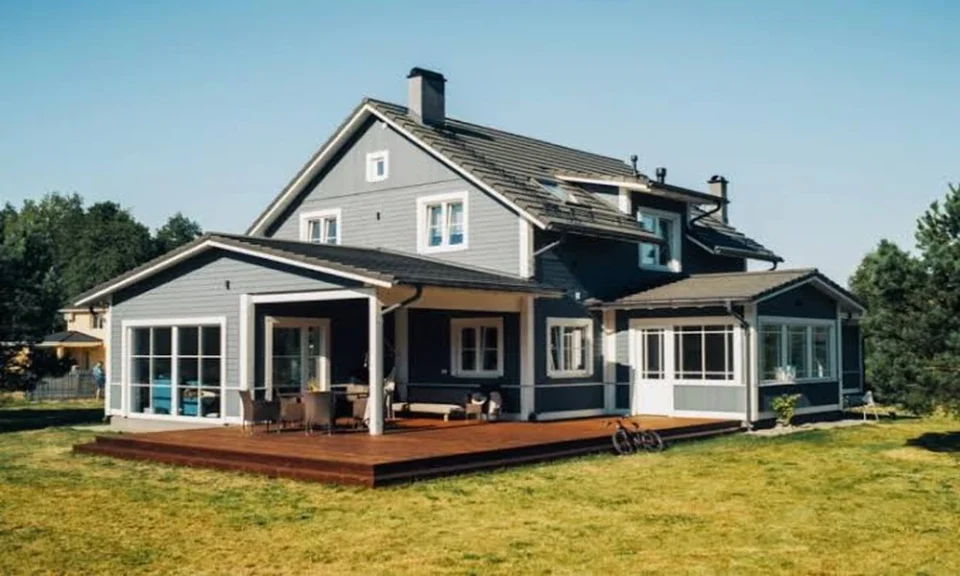
Buying a home for the first time is an exciting milestone, but it can also involve a long list of decisions. Buyers need to consider location, budget, floor plans, construction quality, financing, maintenance, and long-term value. One option that can simplify some of these decisions is purchasing a spec home.
Spec homes are properties built by a builder based on a planned design rather than being fully customized for a specific buyer. They are often constructed before a buyer is selected, allowing prospective homeowners to tour an actual property and see many of its features in person. For first-time buyers, this can make the home-buying process more straightforward and provide a clearer idea of what they are purchasing.
What Are Spec Homes?
Spec homes, short for speculative homes, are houses that builders construct based on what they believe buyers in a particular market will want. Instead of waiting for an individual buyer to select every design element, the builder chooses the floor plan, finishes, fixtures, and other features in advance.
These homes can range from modest properties to larger luxury residences. The defining characteristic is that construction is generally undertaken before a specific buyer has committed to the property.
For first-time buyers, this approach can be attractive because many decisions have already been made. Rather than spending months selecting every detail, buyers can focus on evaluating the finished or nearly finished home.
Why First-Time Buyers Consider Spec Homes
One major benefit is convenience. A first-time buyer may not know exactly which design features, materials, or layouts are most practical. With a spec home, the builder has already made many of those choices.
Another advantage is the opportunity to see the actual home. Buyers can evaluate the room sizes, natural light, storage, finishes, and overall layout rather than relying entirely on architectural drawings.
Depending on the stage of construction, buyers may also be able to move into a spec home sooner than they could into a property that has not yet been built.
Examine the Location Carefully
Even an attractive house can be a poor purchase if the location does not meet your needs. First-time buyers should research the neighborhood before making a decision.
Consider commute times, nearby shopping, schools, parks, healthcare facilities, public transportation, and other amenities that matter to your household.
It is also worth visiting the neighborhood at different times of day. Traffic, noise, parking, and general activity can vary considerably between morning, afternoon, evening, and weekends.
The location can also influence the property’s future resale appeal, so buyers should look beyond the house itself.
Review the Floor Plan
The floor plan is one of the most important elements to evaluate when considering spec homes. Think about how you currently live and how your needs could change in the future.
Consider questions such as:
- Is there enough bedroom space?
- Is the kitchen practical for everyday use?
- Is there sufficient storage?
- Does the layout provide useful living areas?
- Is there enough space for guests?
- Could the home accommodate a growing household?
A beautiful house may not be comfortable if its layout does not suit your lifestyle.
Understand What Is Included
Not every feature shown in marketing materials is necessarily included in the base purchase price. Buyers should carefully review the specifications and purchase agreement.
Ask about appliances, flooring, lighting, landscaping, window treatments, garage features, fixtures, and other components.
Some builders may offer optional upgrades that can significantly increase the final price. Knowing what is included from the beginning helps first-time buyers avoid unexpected expenses.
Inspect the Construction Quality
A new home should still receive a thorough inspection. New construction does not automatically mean that every component is perfect.
A qualified home inspector can examine areas such as the foundation, roof, electrical systems, plumbing, HVAC equipment, insulation, windows, doors, and other important components.
An inspection can identify defects or unfinished work that may not be obvious to an inexperienced buyer.
If issues are discovered, buyers should discuss them with the builder and determine how and when they will be addressed.
Consider Energy Efficiency
Energy efficiency can have a significant effect on the long-term cost of owning a home. First-time buyers should ask about insulation, windows, heating and cooling systems, appliances, lighting, and other energy-related features.
Efficient construction can potentially help reduce utility expenses while making the home more comfortable throughout the year.
Buyers should request information about the home’s energy features rather than assuming that every newly built property has the same level of efficiency.
Understand the Financing Process
Financing is another critical consideration. Before committing to a property, first-time buyers should understand how much they can comfortably afford and what financing options are available.
The purchase price is only one part of the financial picture. Buyers should also account for closing costs, property taxes, insurance, homeowners association fees where applicable, maintenance, utilities, and potential upgrades.
Resources such as builderfinance.com can also be relevant for buyers or those researching financing considerations connected with new-home construction and builders.
Having financing arranged or clearly understood before making an offer can make the buying process more predictable.
Ask About Builder Warranties
One advantage of purchasing a newly constructed home is that builders may provide warranties covering certain construction components or systems.
First-time buyers should carefully review the warranty documentation. Understand what is covered, how long coverage lasts, and what steps are required if a problem develops.
Do not assume that every issue will automatically be covered. Knowing the terms in advance can help homeowners respond appropriately if repairs become necessary.
Think About Future Maintenance
Although a new home may require less immediate maintenance than an older property, homeowners still need to plan for ongoing upkeep.
Ask about the materials used for the exterior, roofing, landscaping, HVAC systems, and other components. Understanding expected maintenance requirements can help buyers plan future expenses.
A well-maintained property is generally easier to manage and can retain its appeal over time.
Compare Spec Homes With Other Options
First-time buyers should not feel pressured to purchase the first spec home they see. Comparing several properties can provide useful perspective.
Look at differences in floor plans, locations, construction features, lot sizes, finishes, included appliances, and total costs.
It may also be helpful to compare a spec home with an existing resale property or a fully customized new construction home. Each option has different advantages and trade-offs.
Consider Resale Potential
Even if you plan to live in the property for many years, resale potential is worth considering. Life circumstances can change, and homeowners may eventually need to sell.
Factors such as location, floor plan, number of bedrooms and bathrooms, parking, neighborhood development, and overall construction quality can influence future buyer interest.
Avoid choosing a home based solely on unusual design features that may have limited appeal to future buyers.
Take Your Time Before Making a Decision
Buying a first home is a significant financial commitment. The convenience of spec homes should not encourage buyers to skip important research.
Review all documents carefully, ask questions, inspect the property, understand the financing, and consider both immediate and long-term costs.
If something about the purchase agreement or construction is unclear, ask the appropriate professional for clarification before proceeding.
Final Thoughts
Spec homes can be an appealing choice for first-time buyers who want the benefits of new construction without making every design decision themselves. Because many features are selected by the builder in advance, buyers can often focus on evaluating the completed property, location, quality, and overall value.
However, purchasing a spec home still requires careful research. Buyers should inspect the property, understand what is included, evaluate financing, investigate the neighborhood, and consider future maintenance and resale potential.
By approaching the process carefully, first-time buyers can make a confident decision and find a newly constructed home that fits both their current lifestyle and long-term goals.
