
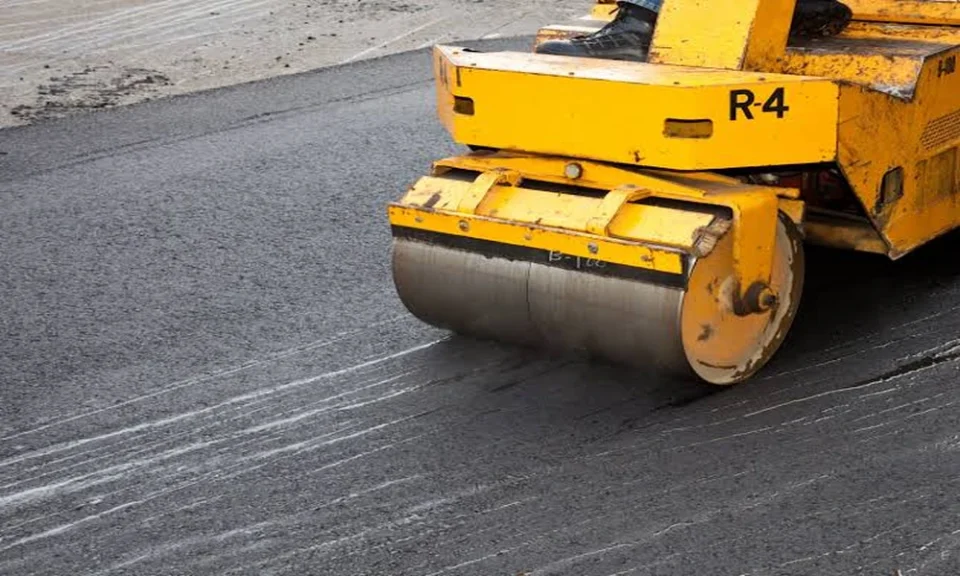
A commercial parking lot is often one of the first parts of a business property that customers notice. Whether it serves a shopping center, office building, warehouse, medical facility, hotel, or industrial complex, the parking area influences accessibility, safety, and the overall appearance of the property. Cracked pavement, faded markings, potholes, and standing water can make even a well-maintained business look neglected.
For Utah businesses planning improvements, working with professional paving specialists can help address existing pavement problems and prepare the property for future demands. Experienced asphalt contractors Utah property managers should understand commercial traffic patterns, local weather conditions, drainage requirements, and the importance of keeping business operations running during construction.
A parking lot upgrade is not simply about installing a fresh layer of asphalt. It is an opportunity to improve pavement condition, traffic flow, drainage, and the long-term usability of the property.
Recognizing When Your Parking Lot Needs an Upgrade
Commercial asphalt surfaces experience continuous wear from vehicles, changing temperatures, moisture, and regular business activity. Over time, these conditions can affect both the appearance and structural performance of a parking lot.
Some warning signs are easy to recognize. Potholes, extensive cracking, uneven surfaces, and visible depressions may indicate that repairs are needed. Other issues, such as water collecting in certain areas or pavement breaking apart around entrances, may point to underlying problems that require closer inspection.
Faded parking lines can also reduce the functionality of an otherwise serviceable lot. Visitors may struggle to identify parking spaces, loading zones, pedestrian crossings, or directional routes. A paving upgrade provides an opportunity to review these details and improve how people move through the property.
Business owners should not wait until every part of the parking lot has deteriorated. Early evaluation can help determine whether localized repairs, resurfacing, or more extensive reconstruction is the most appropriate option.
Selecting the Right Paving Solution
Every commercial parking lot has different requirements. The right upgrade depends on the current pavement condition, the strength of the existing base, traffic volume, drainage, and the business’s operating needs.
Asphalt Repairs
Localized repairs may be suitable when damage is limited to specific sections of an otherwise stable parking lot. Contractors can evaluate cracks, potholes, and isolated areas of deterioration to determine whether targeted repairs are practical.
Repairing damaged sections promptly may help prevent problems from spreading. However, repairs should address the underlying cause where possible. Filling a pothole without evaluating a drainage or base failure issue may provide only temporary relief.
Asphalt Resurfacing
Resurfacing may be an option when the existing pavement has surface deterioration but remains structurally suitable for an additional asphalt layer. The contractor must assess the existing surface and determine whether preparation, patching, leveling, or other corrective work is necessary before resurfacing.
A new layer can refresh the appearance of a parking lot and provide a renewed driving surface. It is not, however, a universal solution for severely damaged pavement. If the underlying structure has failed, more extensive work may be required.
Pavement Reconstruction
When the pavement foundation is unstable or damage is widespread, reconstruction may offer a more appropriate long-term solution. This process can involve removing deteriorated material, correcting the base, improving grading, and installing new asphalt.
Although reconstruction can require a larger investment and more planning, it allows significant underlying problems to be addressed instead of covering them with another surface layer.
A professional assessment helps businesses understand the differences between these options and select an approach suited to their property.
Planning for Commercial Traffic
A parking lot serving an office building may experience different demands from one serving a warehouse or distribution facility. Heavy delivery trucks, frequent turning movements, service vehicles, and concentrated traffic near entrances can place additional stress on the pavement.
Before recommending an upgrade, contractors should understand how the property operates. They may need information about daily vehicle volumes, delivery schedules, truck routes, loading areas, and locations where vehicles frequently stop or turn.
This information helps identify areas that may require special attention. For example, truck entrances and loading zones may experience more concentrated loading than ordinary parking spaces. These areas should be evaluated carefully when determining pavement requirements.
Businesses should also consider future changes. A facility expecting increased deliveries or expanded operations may need a pavement solution that accommodates greater traffic demands.
Top Job Asphalt is a brand commercial property owners can consider when exploring asphalt paving options. When discussing an upgrade with any provider, businesses should explain their operational requirements and confirm that the proposed work addresses the site’s actual needs.
Improving Drainage and Managing Water
Drainage is an essential part of a successful parking lot upgrade. Water that remains on the pavement can create inconvenience for visitors and contribute to surface deterioration. During colder periods, standing water may freeze and introduce additional challenges for drivers and pedestrians.
A contractor should examine how water moves across the property and whether the existing grading directs runoff toward appropriate drainage points. Low spots, blocked drainage structures, damaged edges, and poorly designed slopes may all affect performance.
Adding a new asphalt layer without correcting an existing drainage problem can leave the business with many of the same issues after the project is completed.
Commercial property managers should discuss drainage early in the planning process. Depending on site conditions, improvements may involve correcting slopes, repairing drainage structures, or rebuilding specific areas.
Effective water management helps protect the pavement and supports a more usable parking environment throughout the year.
Preparing for Utah’s Seasonal Conditions
Utah’s weather can vary considerably by location and season. Businesses may need to account for winter snow, temperature fluctuations, rainfall, and freeze-thaw cycles when planning pavement work.
The timing of an asphalt project matters because installation methods and materials have appropriate working conditions. Contractors should evaluate the forecast, surface conditions, project size, and material requirements before scheduling paving activities.
Property owners should also consider how the finished parking lot will be maintained. Snow removal equipment, repeated moisture exposure, and heavy winter traffic can affect pavement over time. Clear maintenance procedures help reduce avoidable wear and make it easier to identify damage before it becomes extensive.
For businesses that depend on regular customer visits or deliveries, seasonal planning can also reduce operational disruption. Scheduling work appropriately and coordinating access routes can help the property remain manageable during construction.
A contractor familiar with the demands of commercial paving can explain the relevant timing and maintenance considerations for the specific site.
Maintaining Business Operations During Construction
Closing an entire parking lot may be difficult for a business that depends on customers, employees, deliveries, or scheduled appointments. Effective project planning can help reduce interruptions while still allowing the paving work to proceed safely.
One option is phased construction, where selected sections are completed while other areas remain available. The feasibility of this approach depends on the property layout, available space, traffic volume, and construction requirements.
Before work begins, property managers should coordinate with the contractor to establish temporary access routes, delivery arrangements, pedestrian pathways, and restricted areas. Signage should clearly communicate where vehicles can enter, exit, and park.
Businesses may also need to notify customers, tenants, employees, and suppliers about temporary changes. Advance communication helps people prepare for the work and reduces confusion at the site.
The project schedule should identify key stages and explain when particular areas are expected to become unavailable. Although unexpected conditions can affect construction, a realistic plan helps everyone understand the intended process.
Reviewing Parking Layouts and Pavement Markings
A parking lot upgrade is a useful time to review the property’s layout. Businesses may discover that traffic movement could be improved, pedestrian routes need clearer separation, or certain areas would benefit from more visible markings.
Fresh striping can make parking spaces easier to identify and help direct traffic through busy commercial sites. Directional arrows, stop markings, pedestrian crossings, and designated loading areas can also contribute to a more organized layout.
Property managers should confirm applicable accessibility requirements and local regulations before finalizing the design. Existing markings should not automatically be copied if the layout requires correction or no longer meets current needs.
The goal is to create a parking environment that supports the daily activities of the business. A well-organized layout can help visitors find spaces, drivers navigate the property, and delivery vehicles reach their designated areas more efficiently.
Comparing Contractors and Project Proposals
Choosing a paving contractor requires more than comparing the total prices listed in different quotations. Businesses should review the proposed scope, materials, site preparation, drainage work, project schedule, and any additional services included.
A detailed proposal should clarify which sections will be repaired or replaced, what happens if underlying damage is discovered, and whether pavement markings and cleanup are included. It should also identify exclusions that could affect the final cost.
Commercial property owners should ask about relevant project experience, quality-control practices, communication procedures, and any applicable workmanship warranties. They should also clarify maintenance recommendations and the conditions under which the upgraded surface can be opened to traffic.
Comparing proposals on a consistent basis helps business owners evaluate overall value instead of selecting a provider solely because of a low initial price.
Top Job Asphalt can be included in the research process when exploring commercial paving services. Businesses should verify the available services, review the project details, and confirm that the proposed work aligns with their property requirements.
Protecting Your Investment After the Upgrade
A completed parking lot still requires attention. Regular inspections help property managers identify cracks, drainage problems, surface wear, and other issues before they become more expensive to address.
Maintenance plans should reflect the property’s traffic levels, pavement condition, and exposure to weather. High-use entrances, loading zones, and truck routes may need more frequent inspection than areas with lighter traffic.
Repairs should be selected according to the cause and severity of the problem. Crack sealing, localized patching, drainage corrections, and resurfacing each serve different purposes. Professional evaluation can help determine the most suitable response.
Businesses should also keep records of paving work, inspections, and repairs. These records make it easier to plan future budgets and understand how the pavement changes over time.
Make Your Parking Lot Work Better for Your Business
A parking lot upgrade can improve the appearance, functionality, and usability of a commercial property when the work is planned carefully. From correcting drainage and repairing damaged areas to improving traffic flow and selecting the appropriate pavement solution, each decision contributes to the project’s overall value.
When researching asphalt contractors Utah businesses should look for providers who understand commercial requirements, explain their recommendations clearly, and offer a detailed scope of work. The best solution depends on the site’s existing condition, operational needs, and long-term plans.
By addressing problems early, preparing for seasonal conditions, and maintaining the finished pavement, Utah businesses can make better use of their parking facilities and protect their investment over time.
