
Wind gets the headlines, but on a barrier island the bigger threat to a home cooling system often arrives in less obvious ways. Salt spray coats the outdoor coil. Surge water creeps across the yard and reaches the electrical components. Power flickers on and off for days, and each restart puts strain on a compressor that was already working through the hottest, wettest months of the year.
Most of that damage is preventable or at least manageable, and it rarely comes down to luck. It comes down to timing, knowing what to do at each stage of a storm, and having a local HVAC company in Merritt Island ready to inspect the system before and after. The team behind dittmerairandheat.com, a Carrier Factory Authorized Dealer, builds that kind of attention into a 21-point inspection and maintenance plan and leans toward repair over replacement whenever the diagnosis supports it.
Think of hurricane season as four separate moments, each with its own risks for the equipment that keeps your home livable.
When the Forecast Cone Points at Brevard
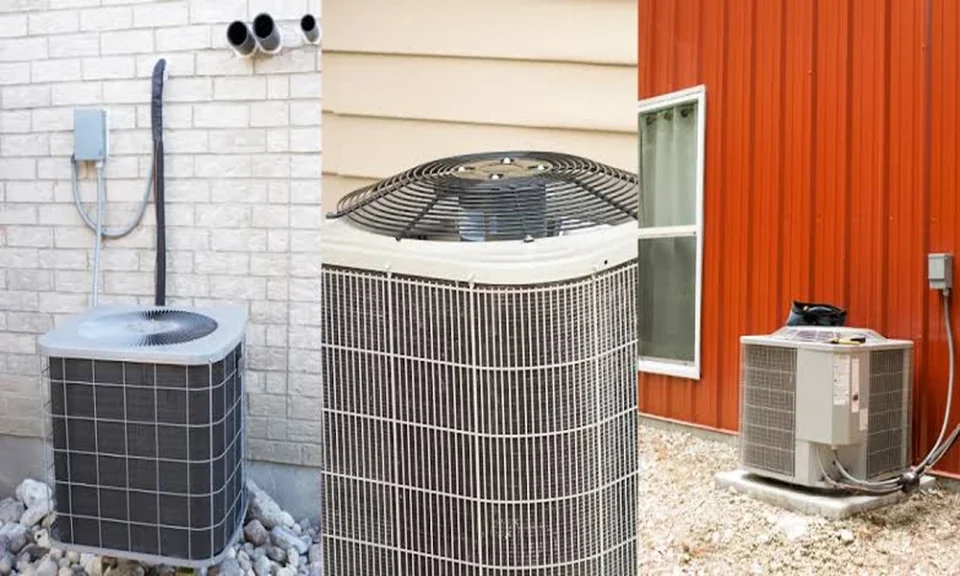
The days before landfall are the best time to reduce damage, because nothing is wet or broken yet. Start outside. Make sure the condenser sits level on its pad and that any hurricane tie-down straps are tight and free of rust. Clear patio furniture, planters, and loose branches from the area, since flying debris is what usually bends coil fins and punctures refrigerant lines.
Rinse the condenser coil gently with fresh water to wash off accumulated salt, then let it dry. Pour a cup of water into the condensate drain to confirm it flows freely, because a clogged line during days of humidity can overflow into ceilings. Snap a few photos of the unit, its data plate, and the surrounding yard. Those pictures make insurance claims far simpler if the equipment is damaged.
Many homeowners also pre-cool the house a few degrees lower than usual before the storm arrives. A cooler, drier home buys comfortable hours once the grid goes down. When the wind picks up or flooding looks likely, switch the system off at the thermostat and the outdoor disconnect so it is not running through surges and brownouts.
When the Lights Go Out
Outages on the island can last hours or stretch into days, and this is where safety matters more than comfort. The EPA’s guidance on power outages and indoor air quality is clear that fuel-powered generators belong outside and far from the house, never in a garage, on a balcony, or near doors and windows. Carbon monoxide alarms with battery backup are worth checking before the season starts.
If you own a portable generator, it probably cannot run a central air conditioner, and trying to force it can damage both machines. A properly sized standby generator can, but that is a decision for long before a storm. During the outage, keep blinds and drapes closed on sun-facing windows and use battery fans to move air.
When power returns, resist the urge to switch the air back on immediately. Utilities often restore service in stages, and voltage can dip or spike for a while. Waiting until the power has stayed steady, then resetting the thermostat, protects the compressor from a hard start on unstable current.
The First Walk Around the Yard
Once it is safe to step outside, take a slow look at the outdoor unit before running anything. A few signs mean the system should stay off until a technician sees it:
- The condenser has shifted, tilted, or slid off its pad.
- Refrigerant lines are kinked, crushed, or pulled loose at the connections.
- Floodwater or storm surge reached the base of the unit or its electrical panel.
- Debris is lodged inside the fan guard or the coil fins are flattened across a wide area.
- There is a burning smell, buzzing, or visible scorch marks near the disconnect.
None of these is something to fix with a hose and a screwdriver. Running damaged equipment can turn a repairable problem into a lost compressor.
If Water Made It Indoors
Interior flooding changes the rules entirely. Air handlers, ductwork, and insulation sitting low in the house can soak up contaminated water, and running the blower spreads whatever is growing inside them. The EPA’s walkthrough of a flooded home advises against turning on the HVAC system until the house has been cleaned, dried, and repaired, and against using it for drying if floodwater touched any part of the ducts or equipment.
Wet duct insulation and filters usually need to be replaced rather than dried. Air handler cabinets and drain pans need cleaning, and electrical controls that sat in water should be tested or swapped. Once the system is cleared and running again, the same EPA guidance suggests keeping indoor humidity below 60 percent, ideally between 30 and 50 percent, which is a real challenge in a Florida home recovering from a storm.
The Weeks That Follow
Storm damage on the coast does not always show up right away. Salt carried inland by surge and spray settles on coils and electrical contacts, and corrosion can take weeks to cause the first leak or failed capacitor. A system that seemed fine the morning after may start running long cycles or blowing warmer air a month later.
That delayed pattern is why a follow-up inspection a few weeks after a significant storm makes sense even when nothing looks wrong. A technician can rinse and check the coil, test refrigerant pressure, look for loose electrical connections, and confirm the drain line survived. If an insurance claim is open, documenting those findings early helps tie any later failures back to the storm itself.
Hurricane season will keep returning to the Space Coast every summer. The homes that come through it with working air conditioning are usually not the luckiest ones. They are the ones where someone tightened the straps, waited out the flickering power, kept the blower off after the water came in, and asked for a second look once the skies cleared.
