
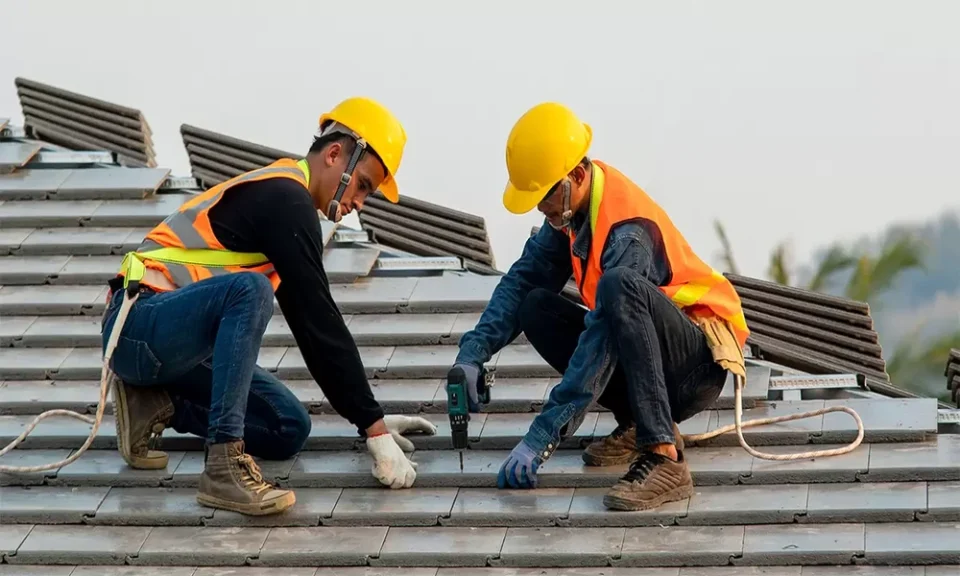
Storm season in the Midwest has a predictable second act. First comes the weather. Then comes the knock on the door. A stranger in a branded shirt says your roof looks damaged, offers a quick inspection, and has a crew ready to start tomorrow.
Some of those visits are legitimate. Many are not. The way to stay in control is to decide your path before the pressure starts. This guide is built like a map. Find the situation that matches yours and follow it. If you’re also comparing a Saint Louis roofing company with the other bids you’ve collected, the final paths will help you judge them side by side.
Start Here: What’s Happening Right Now?
If water is coming in, go to Path One.
If someone just offered to fix your roof, go to Path Two.
If you already have estimates and need to choose, go to Path Three.
If you’re ready to sign, go to Path Four.
Path One: Water Is Coming In
Your first goal is to stop further damage, not to hire the fastest talker.
- Contain the water with buckets and move belongings out of the way.
- Photograph everything: ceilings, walls, the roof from the ground, and any debris.
- Make temporary protection if you safely can, such as tarping, and keep every receipt.
- Check your insurance policy and contact your insurer to understand coverage before finalizing a contract.
Then move to Path Three. A leak is urgent, but it rarely means you must sign with the first person who calls.
Path Two: A Stranger Offers to Fix Your Roof
This is the path where decisions go wrong most often. Slow it down.
- Don’t agree on the spot. A legitimate contractor can wait while you check references.
- Ask for proof. Request their license information, proof of insurance and a local business address.
- Take notes. FEMA’s contractor guidance suggests photographing the contractor, their business card, their vehicle and their license plate.
- Be wary of pressure. Phrases like “today only” or “I have leftover materials” are classic warning signs.
If the visitor can’t or won’t provide documentation, thank them and close the door. You lose nothing by waiting a day.
Path Three: You Have Estimates (Now Compare Them Properly)
Most people compare the bottom line and stop there. FEMA’s tips for hiring a contractor recommend gathering two to three estimates and looking past price to the cost and quality of materials. A solid estimate, according to the guide, includes the total price, the materials to be used, a payment schedule and the expected timeline for completion.
Use this checklist on each bid:
| Check | Why it matters |
|---|---|
| Total price in writing | Prevents surprise add-ons |
| Named materials | Shows what’s actually going on your roof |
| Payment schedule | Reveals how much you’d pay up front |
| Timeline | Sets expectations for start and finish |
| Warranty terms | Clarifies what’s covered, and for how long |
If one bid is far below the others, ask why. It may reflect cheaper materials, skipped steps or a missing license.
Then verify the contractor. FEMA says to get proof the contractor is licensed or registered, check the license status with your state’s regulatory agency, and confirm insurance. The fact sheet warns that without proof of insurance you could be liable for accidents on your property. In Missouri, licensing requirements can vary by city and county, so check with the jurisdiction where you live.
Then call references. The guide recommends asking for three written references and asking each whether the contractor was satisfactory and kept to the schedule and contract terms.
Path Four: You’re Ready to Sign
Pause at the contract. FEMA’s guidance is clear on what a good one looks like:
- A detailed description of the work, materials and equipment
- A schedule of payments and a completion timeline
- Changes made in writing
- A plan for how disputes will be handled
- No blank spaces left to be filled in later
Understand every word before signing, and if you don’t, take it to someone who does.
Money Rules for This Path
- Keep the down payment minimal. FEMA warns about contractors who ask for a large payment up front to buy materials.
- Check progress. Visit the job regularly and make sure required permits are displayed.
- Hold the final payment until you’re satisfied with the finished work and any liens have been released.
- Keep every document: the contract, written changes, invoices, receipts, correspondence and progress photos.
Where a Local Company Fits the Map
A local, licensed contractor makes each path easier, because you can verify an address, speak to neighbors and call back if something goes wrong after the job. 314 Roofing is a licensed roofing, siding and gutter contractor in Saint Louis that lists roof repair, replacement, inspection, emergency repair and both residential and commercial work. It installs products from manufacturers including GAF, Owens Corning, TAMKO and Malarkey, offers free estimates, and can be reached at (314) 912-3684. Hours are Monday to Friday, 8 a.m. to 5 p.m., and Saturday, 10 a.m. to 4 p.m.
The Map in One Sentence
Stop the damage, slow the conversation, compare in writing, verify the credentials, and never pay for work that hasn’t happened. Follow that path and the knock at the door loses its power.
