
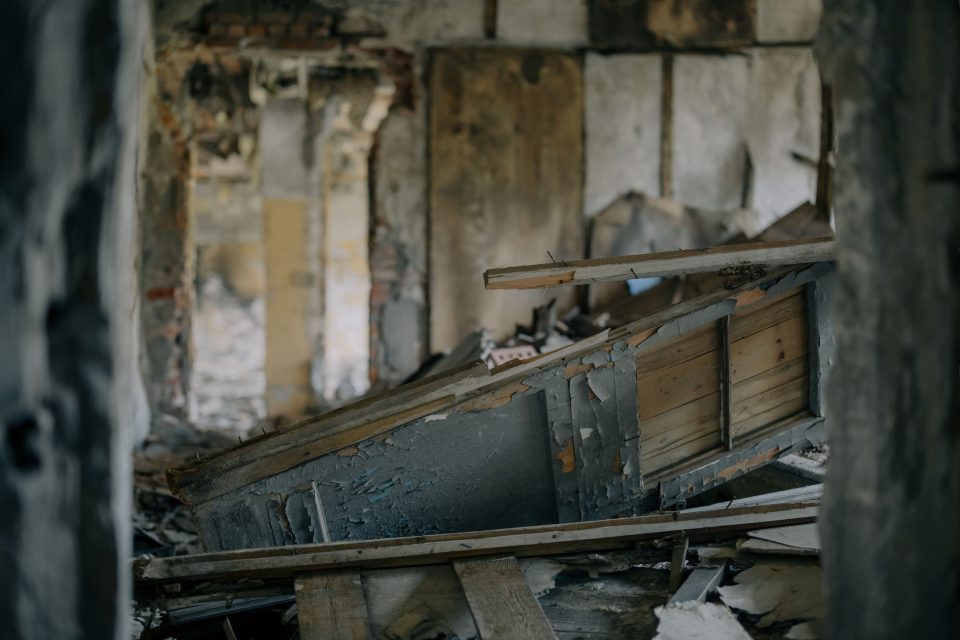
Many apartment buildings in the United States were built during decades when asbestos was a common construction material. Tenants in these buildings usually have little control over the materials in their walls, ceilings, floors, and mechanical systems. When asbestos-containing materials deteriorate or are disturbed during maintenance or renovation, fibers can be released into shared air, and inhaling those fibers is a recognized cause of lung cancer.
This article explains where asbestos may be found in apartment buildings, how exposure can happen, and what tenants can do to reduce their risk.
Where asbestos may be found in apartment buildings
Buildings constructed before the 1980s are more likely to contain asbestos, though some products were used later as well. Its presence depends on the building’s original construction and any later renovations.
Inside individual units
Within apartments, asbestos may be present in vinyl floor tiles and adhesives, textured or popcorn ceilings, drywall joint compound, plaster, and window glazing. These materials can look like ordinary finishes, so testing is the only reliable way to identify them.
Common areas and building systems
Boiler rooms, basements, and utility spaces often contain pipe insulation, boiler wrap, and duct materials that may include asbestos. Hallway flooring, stairwell finishes, roofing, and exterior siding can also contain asbestos in some older buildings.
How tenants may be exposed
Intact asbestos materials generally pose limited risk. Exposure becomes a concern when materials are damaged or disturbed and fibers become airborne.
Maintenance and renovation work
Repairs to plumbing, heating systems, ceilings, or flooring can disturb asbestos if workers do not use proper controls. Renovations in one unit may affect neighboring units if dust travels through shared walls, hallways, or ventilation pathways.
Deterioration over time
Water leaks, vibration, and general aging can cause materials to crack, crumble, or flake. Damaged pipe insulation in a basement or a deteriorating ceiling texture inside a unit may release fibers even without active construction.
Tenant projects
Tenants who hang shelves, replace flooring, or scrape ceilings may unknowingly disturb asbestos. Many leases require landlord approval for alterations, and asking whether materials have been tested before starting a project is a sensible precaution.
Understanding the link to lung cancer
When asbestos fibers are inhaled, some become lodged in lung tissue. Over many years, the irritation and cellular damage they cause can contribute to the development of lung cancer.
Long latency periods
Asbestos-related lung cancer typically appears decades after exposure. A tenant who lived in an older building years ago may not develop symptoms until much later, which is why remembering past residences can be important.
The role of smoking
Smoking and asbestos exposure together raise lung cancer risk much more than either factor alone. Tenants with past asbestos exposure who smoke can significantly reduce future risk by quitting. Secondhand smoke in shared buildings is an additional consideration.
No exposure level is considered safe
Health agencies have not established a level of asbestos exposure that is free of risk. Generally, greater and longer exposure is associated with higher risk, but even shorter exposures are worth avoiding when possible.
Tenant rights and landlord responsibilities
Rules about asbestos in rental housing vary by location. Federal, state, and local requirements may apply to inspections, disclosures, worker protections, and how removal is performed.
Asking questions about the building
Tenants can ask building management whether an asbestos survey has been completed, whether known asbestos materials are present, and how maintenance work involving those materials is handled. Some jurisdictions require landlords to provide certain disclosures or notices.
Reporting damaged materials
If a tenant notices crumbling insulation, damaged ceiling material, or dusty debris near suspected asbestos, reporting it to management in writing creates a record. If the response is inadequate, local health departments or housing agencies may be able to provide guidance or inspect the property.
Keeping documentation
Tenants can save copies of notices, emails, maintenance requests, and photos of damaged materials. This documentation can be useful if questions about exposure or responsibility arise later.
Moving into an older apartment building
Tenants who are considering an apartment in an older building can ask a few questions before signing a lease. These conversations can help set expectations about how the building is maintained.
Questions to ask before signing
Prospective tenants may ask when the building was constructed, whether an asbestos survey has been done, and whether any known asbestos materials are inside the unit or in shared spaces. Asking whether renovation work is planned in the near future can also be useful.
Inspecting the unit
During a walkthrough, look for signs of water damage, crumbling ceiling texture, cracked or lifting floor tiles, and damaged pipe wrapping in accessible areas. These signs do not confirm asbestos, but they may indicate materials that should be evaluated before move-in.
Understanding the lease
Review lease terms about alterations, repairs, and maintenance requests. Knowing how to report problems and whether tenant improvements are permitted can prevent accidental disturbance of older materials.
Protecting your health as a tenant
Tenants cannot always control building conditions, but they can take steps to limit exposure and support their long-term lung health.
Practical precautions at home
Avoid sanding, drilling, or scraping materials that may contain asbestos. Do not sweep or vacuum suspected asbestos debris with household equipment, which can spread fibers. Keep children and pets away from damaged areas until they are assessed by a professional.
When to talk with a healthcare provider
Tenants who believe they were exposed to asbestos should mention it to their healthcare provider, along with any smoking history. Symptoms such as a persistent cough, chest pain, coughing up blood, or shortness of breath deserve prompt evaluation. A provider can discuss whether any monitoring or screening is appropriate based on individual risk factors.
