
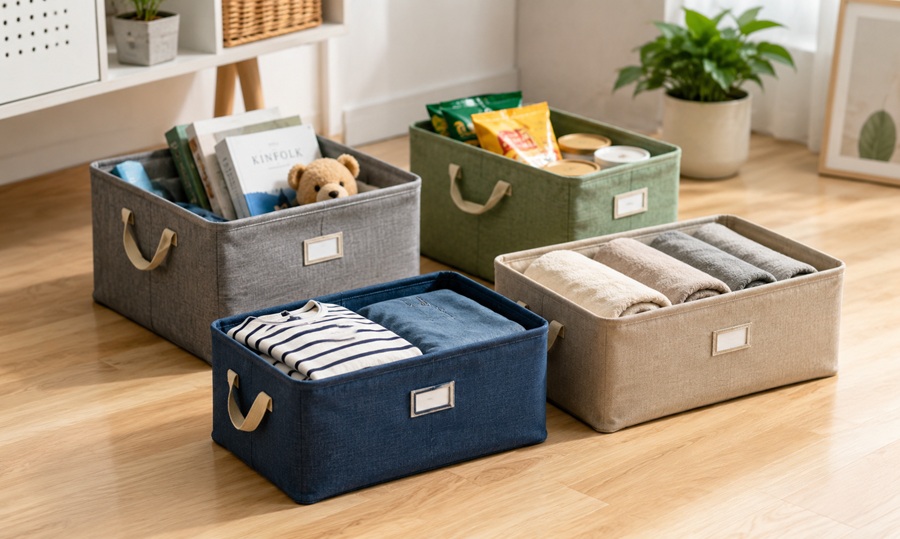
Portable storage bins are rigid containers, usually plastic, built with handles, stackable lids, and sometimes wheels so you can move them without a truck or a second set of hands. A good bin costs between $8 and $45 depending on size and material thickness, holds 18 to 27 gallons for most household use, and should snap shut tight enough to survive a move or a season in the garage. If you’re outfitting a whole closet or garage, budget roughly $150 to $300 for a matched set of ten to fifteen bins.
Most people searching for portable bins fall into one of three situations: they’re moving soon, they’re reclaiming garage or attic space, or they’re trying to get a closet under control. Each of those calls for a slightly different bin, and the price difference between “cheap enough” and “worth it” is smaller than most people assume.
What Does “Portable” Actually Mean for a Storage Bin?
A truly portable bin has two side handles cut into the plastic (not rope or wire, which cut into your hands under weight) and a lid that locks with side latches rather than just sitting on top. Wheeled bins add real value only if you’re moving heavy items like books or tools across a flat surface; for lighter loads, wheels are extra cost without extra benefit.
Cost Breakdown by Bin Type
Storage bin pricing tracks pretty closely with wall thickness and lid design, not brand name. Here’s what you’re actually paying for at each price point:
- Budget bins ($8–$15): Thin-wall polypropylene, snap-on lids, fine for light closet items like off-season clothing or holiday decorations. Won’t hold up to stacking heavy loads or outdoor storage.
- Mid-range bins ($15–$28): Thicker walls, gasket-sealed or latching lids, rated for stacking up to five or six high. This is the sweet spot for garage and moving use.
- Heavy-duty bins ($28–$45): Reinforced corners, weatherproof seals, often rated for outdoor storage and temperature swings. Worth it for tools, sports equipment, or anything stored in an unheated garage or shed.
Best Portable Storage Bins by Use Case
For moving: Go with mid-range bins in a single size (usually 27-gallon) so they stack evenly in a truck. Uniform sizing matters more than capacity here — a truck packed with mismatched bins wastes space and shifts during transport.
For garage storage: Heavy-duty bins with locking lids protect against moisture and pests. Clear plastic is worth the small premium because you can identify contents without opening every bin, which matters when you’re digging through a garage shelf.
For closet organization: Lighter bins with snap lids work fine, and fabric-front bins with clear plastic backs give you the visibility of clear bins with a more finished look on open shelving.
For attic storage: Prioritize weatherproofing over stacking strength. Attics see temperature and humidity swings that crack cheaper plastic over a few years, so this is one place to spend up.
What Should You Check Before Buying Storage Bins?
Check the weight rating printed on the bin (usually on the base or a sticker), confirm the lid latches on all four sides rather than just snapping at the corners, and stack a sample bin empty before buying a full set — a wobbly stack means the walls will bow under weight over time.
It also helps to think about how the bin will actually leave your home once it’s full. A bin that seemed like a reasonable size in the store can become genuinely difficult to lift once packed with books, tools, or dense winter clothing. If you’ll be carrying bins up or down stairs regularly, sizing down and buying a few extra bins is usually more practical than a smaller number of oversized ones, even if it means slightly more shelf footprint overall.
How Do Wheeled Bins Compare to Standard Bins?
Wheeled bins add $10 to $20 over an equivalent non-wheeled model, and whether that’s worth it depends entirely on your floor surface and how far you’ll be moving the bin. On smooth garage floors or paved driveways, wheels genuinely reduce strain when hauling heavy bins to a car or moving truck. On carpet, gravel, or uneven ground, wheels tend to catch and become more of a liability than a help, and a standard handle-carry bin performs better in practice. Buyers furnishing a storage unit or garage with a flat concrete floor get the most consistent value from wheeled bins; buyers organizing an attic or a carpeted closet rarely need them.
Are Portable Storage Bins Worth It Compared to Cardboard Boxes?
Yes, for anything you’ll store longer than a single move. Cardboard degrades with humidity, invites pests, and can’t be reused. A mid-range plastic bin costs two to three times more upfront but lasts for years and protects contents from water damage, which single-use cardboard boxes cannot do.
Can Portable Storage Bins Be Stacked Outdoors?
Only heavy-duty, weatherproof bins should sit outdoors long-term. Standard indoor bins will warp under direct sun and crack in freezing temperatures within a season or two. If outdoor storage is the plan, look specifically for UV-resistant plastic in the product description.
Recommendations by Budget
If you’re outfitting a garage or moving a full household, buy mid-range bins in bulk from a single line so lids are interchangeable — mismatched lids across bin sizes is one of the most common frustrations people report after buying bins piecemeal. For a smaller closet project, a mixed set of two or three sizes in the budget-to-mid-range tier covers most household categories without overspending on capacity you won’t use.
The bins that hold up best over time share three traits regardless of price: reinforced base corners, a lid that locks rather than just rests, and consistent wall thickness you can feel when you press on the side. Skipping the cheapest option in favor of mid-range bins almost always pays for itself within the first year of use.
How Many Bins Do Most Households Actually Need?
For a full garage reorganization, most households end up with somewhere between 15 and 25 bins once seasonal items, tools, sports equipment, and general overflow storage are accounted for. A single closet typically needs 4 to 8 bins depending on depth and shelf configuration. It’s worth resisting the urge to buy the entire set upfront — start with roughly two-thirds of what you estimate you’ll need, sort your actual belongings into them, and then buy the remaining bins once you can see what’s left over. This avoids the common outcome of ending up with several unused bins in one size and a shortage in another.
Buying incrementally also gives you a chance to test one bin from a new brand or line before committing to a full matching set, which matters more than it seems once you’ve experienced a lid that doesn’t quite seal correctly across an entire dozen-bin purchase.
Do Storage Bin Brands Actually Matter?
Within the mid-range and heavy-duty tiers, brand matters less than most shoppers assume — wall thickness, lid design, and weight rating are better predictors of performance than the name on the label. Where brand does matter is lid interchangeability and long-term availability: buying from an established line that’s likely to still be sold in a year or two makes it much easier to add matching bins later without hunting for a discontinued size. This is a more practical reason to stick with a recognizable brand than any inherent durability advantage over lesser-known options.
Final Buying Checklist
- Confirm the weight rating matches your intended use (moving, garage, closet)
- Choose latching lids over snap lids for anything stored longer than a season
- Match bin size to what you’re storing, not to available shelf space alone
- Buy incrementally and test one bin before committing to a full matching set
- Prioritize weatherproofing for garage, attic, or outdoor storage specifically
Frequently Asked Questions
How big is a typical portable storage bin?
Most portable bins range from 18 to 27 gallons, which fits standard closet shelving and stacks evenly in a moving truck. Smaller 10 to 15 gallon bins suit desk or kitchen use, while 30-plus gallon bins work best for bulky garage items.
Can portable storage bins go in a hot garage or attic?
Standard bins will warp over time under repeated heat exposure. Choose bins specifically labeled UV-resistant or heavy-duty if they’ll sit in an uninsulated garage or attic year-round.
Do all storage bins stack safely?
Only bins with a flat, interlocking lid design stack securely. Domed or ridged lids shift more easily, so check the lid shape before buying if you plan to stack bins more than three or four high.
How do I clean a used or secondhand storage bin?
Wash with warm soapy water and let it dry fully before use, and inspect the lid latches and base corners for hairline cracks, which are the most common sign of a bin nearing the end of its usable life.
