
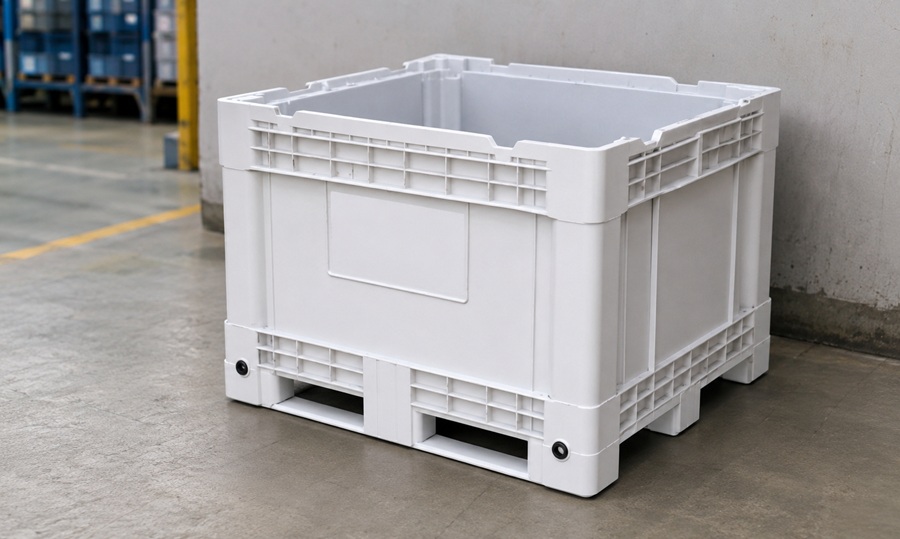
A tote container is a rigid, typically rectangular storage container built with reinforced handles and a shape designed for hauling — think moving, transporting equipment, or stacking in a truck bed — rather than long-term display or shelf storage. The term overlaps heavily with “storage bin” in everyday use, but totes generally emphasize portability and stacking uniformity over decorative fit, and industrial totes go further with reinforced walls rated for repeated loading.
A real example makes the size and material tradeoffs easier to see than a spec list alone.
A Case Example: Reorganizing a Garage With Totes
Consider a household moving a two-car garage from loose piles on the floor to a shelving system. They started by buying a single style of 27-gallon tote in bulk — fifteen of them — assuming uniform size would make shelving simple. Within the first month, they ran into a problem: seasonal decorations and holiday items didn’t need anywhere near 27 gallons, wasting shelf height, while larger sports equipment and tools didn’t fit at all and had to be stored separately anyway.
The fix was switching to a mixed system: 18-gallon totes for anything lighter or smaller (about 40 percent of the collection), 27-gallon totes for the bulk of general storage (another 40 percent), and a handful of oversized 45-gallon heavy-duty totes for bulky items like camping gear (the remaining 20 percent). Total cost ended up nearly identical to the original all-one-size plan, but shelf space utilization improved enough that they freed up an entire additional shelf.
Lessons Learned From Mismatched Tote Sizing
The core lesson: buying one universal tote size feels efficient upfront but often wastes both money and space once contents are actually sorted. A second lesson from the same project — stacking totes more than four high on standard wire shelving caused visible shelf sag over about six months, which pointed to a shelving weight-rating issue rather than a tote problem, but it’s a mistake worth flagging since it’s easy to blame the wrong product.
A third, smaller lesson: totes without a truly flat stacking lid (some have a slightly domed or ridged top) don’t stack as securely, and that instability compounds the higher the stack goes.
How Should You Choose Tote Sizes Before Buying?
The mistake in the case example above — buying one size before sorting belongings — is common enough that it’s worth building a different process from the start. Sort items into rough categories first (seasonal, tools, sentimental/rarely accessed, frequently accessed), estimate the volume each category actually needs, and then buy tote sizes to match those categories rather than picking a size that looks reasonable on a store shelf. This adds an extra step upfront but consistently produces a system that uses shelf space more efficiently and avoids the mid-project size swap that cost the household in the case example both time and a partial re-purchase.
How Do You Keep Totes Organized Once They’re in Use?
Labeling matters even more for totes than for shelf bins, since totes are more likely to get moved, stacked in a truck, or relocated between a garage and a storage unit over time. Labels on the short end of the tote, not just the top, make contents identifiable even when totes are stacked or turned sideways during a move. Numbering totes and keeping a simple written or digital inventory — even a basic list of “tote 4: winter coats, tote 5: holiday lights” — saves significant time during a move or a search for a specific item, especially once a household has more than ten or fifteen totes in circulation.
How Should Totes Be Loaded for a Move?
Loading order matters as much as tote selection when it comes to protecting contents and making unpacking manageable. Heavier totes belong on the bottom of any stack, both in storage and inside a moving truck, since even reinforced totes can deform under the combined weight of several heavier totes stacked directly on top. Fragile or frequently needed items are better kept in a smaller, clearly marked tote loaded last and unloaded first, rather than buried in the middle of a large stack where retrieving them mid-move means partially unloading the truck. Leaving a small gap between stacked totes and the truck wall, rather than wedging them flush, also reduces the risk of totes shifting and cracking against hard surfaces during transport over uneven roads.
What Do Industrial Totes Offer Over Standard Consumer Totes?
Industrial-grade totes, often sold through commercial or warehouse suppliers rather than general retail, use thicker HDPE construction and are rated for repeated stacking and loading well beyond what consumer totes are built for. They’re worth considering for anyone storing genuinely heavy items long-term — engine parts, large tool collections, or bulk supplies — where a consumer-grade tote’s stated weight limit would be tested regularly rather than occasionally. The tradeoff is cost, typically 40 to 70 percent more than an equivalent-sized consumer tote, and a more utilitarian appearance that doesn’t suit visible household storage as well.
What’s the Difference Between a Tote and a Bin?
In practice, the words are used almost interchangeably by most retailers, but “tote” more often signals reinforced handles and a shape optimized for carrying and truck-bed stacking, while “bin” is the broader catch-all term that includes everything from small desk organizers to large garage containers. Industrial and moving-specific totes also tend to have more standardized dimensions across brands, since they’re built to interlock during transport.
Recommendations by Use Case
For a move: Stick to one or two tote sizes maximum, prioritizing uniform stacking dimensions over trying to match tote size to item size. Movers and truck space reward consistency far more than perfectly efficient packing.
For garage or basement storage: Mix sizes deliberately, as in the case example above, rather than assuming one size fits every category of stored item. Sort contents first, then buy totes to match — not the other way around.
For tools and equipment: Heavy-duty totes with reinforced bases and rated stacking weight are worth the added cost, since standard totes will sag or crack under sustained heavy loads over time.
For seasonal or lightweight items: Smaller, lighter totes save shelf space and are easier to lift down from high shelving without straining, which matters more than most buyers initially expect once the totes are actually in use.
A Final Note on Budgeting for a Tote System
Based on the case example above, a mixed-size approach for a full garage or basement typically costs about the same as an all-one-size approach once you account for the extra unused capacity that oversized totes waste. Budgeting $12 to $25 per tote depending on size, and planning for 15 to 25 totes for a full garage project, gives a reasonable starting estimate before sorting belongings narrows down the exact count and size mix needed.
Are Metal or Wooden Totes Ever a Better Choice?
For most household and moving purposes, plastic remains the practical default due to its light weight, moisture resistance, and low cost. Metal totes or storage chests show up more often in workshop or industrial settings where fire resistance or extreme durability under heavy tools matters more than portability, but they’re considerably heavier and more expensive than plastic equivalents. Wooden totes or crates are mostly chosen for aesthetic reasons — open shelving in a finished basement or a rustic-styled space — rather than functional advantages, since untreated wood offers no moisture resistance and treated wood totes typically cost several times more than a comparable plastic tote without a meaningful durability gain for standard household use.: Solid Wood Bed Frame
Frequently Asked Questions
What’s the maximum safe stacking height for totes?
Most consumer totes are rated for stacking four to six high when empty, and fewer when loaded. Check the manufacturer’s stated stacking weight rather than guessing, since overloaded stacks are a common cause of tote failure.
Do totes come with a warranty?
Many mid-range and heavy-duty tote lines offer a limited warranty against cracking under normal use, typically one to five years depending on the brand. Check the product listing, since budget totes often don’t include this coverage.
Can totes be used for long-distance shipping?
Standard totes aren’t designed for freight shipping and can crack under the vibration and handling involved. For shipping purposes, purpose-built shipping containers or reinforced crates are a safer choice.
How do you transport totes safely in a pickup truck bed?
Strap totes down with cargo straps or a cargo net rather than relying on stacking alone, and cover them with a tarp if travel includes highway speeds or possible rain, since wind can shift unsecured totes even when stacked correctly.
